Soft Rocket Font for Web Design
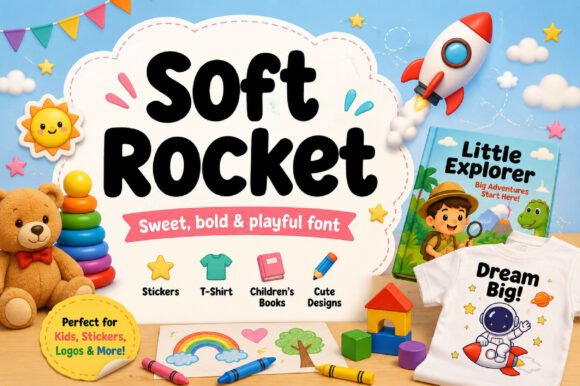
Soft Rocket is a display font that brings a playful yet professional vibe to digital design. Its rounded, whimsical style makes it ideal for web projects that need a friendly and approachable tone. As a designer, I’ve found that Soft Rocket adds character without sacrificing clarity, making it perfect for headers, buttons, and visual accents in modern UIs.
Soft Rocket for Brand Identity and Visual Hierarchy
When designing a brand’s online presence, the right font can make all the difference. Soft Rocket offers a unique balance of fun and professionalism, helping to establish a clear visual hierarchy while maintaining a strong brand identity. Using it for headings and subheadings ensures that key messages stand out, guiding users through content with ease.
The font’s rounded edges create a sense of warmth, which is especially useful for brands targeting younger audiences or those aiming for a more approachable image. Whether it’s a creative agency, an educational platform, or a lifestyle brand, Soft Rocket supports a cohesive look across all digital touchpoints.
Soft Rocket for Website Headers and Hero Sections
In hero sections, where first impressions matter most, Soft Rocket shines as a bold and expressive choice. It works well for large text on landing pages, ensuring that your message grabs attention immediately. The font’s legibility at larger sizes makes it a go-to option for call-to-action buttons, headlines, and banners.
For example, a boutique online store could use Soft Rocket for its main headline, paired with a clean sans serif for product descriptions. This combination maintains visual interest while keeping the layout easy to read. On mobile screens, the font remains sharp and readable, even when scaled down for smaller devices.
Soft Rocket for Digital Ads and Social Media Graphics
Creating eye-catching social media graphics and digital ads often requires a font that stands out without overwhelming the viewer. Soft Rocket delivers exactly that—its playful curves and friendly appearance make it ideal for promotional content, especially in industries like education, parenting, or entertainment.
When used in ad copy, Soft Rocket helps convey a sense of excitement and energy. It pairs well with vibrant colors and dynamic layouts, making it a great choice for Instagram posts, Facebook ads, and email campaigns. Its versatility allows it to adapt to different platforms while maintaining a consistent brand voice.
Soft Rocket for Online Stores and E-Commerce Landing Pages
E-commerce sites benefit from fonts that are both engaging and easy to read. Soft Rocket is an excellent choice for product titles, promotional banners, and category headings. Its rounded style gives a sense of approachability, which is crucial for building trust with potential customers.
On a product landing page, using Soft Rocket for the main headline can draw attention to special offers or new arrivals. Pairing it with a simple, neutral font for body text ensures that the design remains balanced and professional. This contrast also helps guide the user’s eye through the page efficiently.
Soft Rocket for Creative Portfolios and Blog Headers
For designers and creators showcasing their work, a strong visual identity is essential. Soft Rocket can be used in portfolio websites to highlight project titles, service offerings, or personal branding elements. Its friendly yet distinctive look helps set the tone for a creative business.
Blogs and content sites can also benefit from Soft Rocket in headers and section titles. It adds a touch of personality without being too distracting, making it ideal for blogs focused on lifestyle, technology, or creative industries. When paired with a serif or sans serif font, it creates a polished and professional look.
Soft Rocket for Responsive Layouts and Mobile Screens
With the increasing importance of mobile-first design, readability on small screens is crucial. Soft Rocket performs well at various sizes, ensuring that text remains legible even on phones and tablets. Its rounded shapes help reduce visual strain, making it easier for users to scan content quickly.
When using Soft Rocket on dark backgrounds or image overlays, it maintains good contrast and clarity. This makes it a reliable choice for interactive elements like buttons, icons, and navigation menus. Its flexibility across different design contexts makes it a valuable addition to any web designer’s toolkit.
Soft Rocket for Logo Design and Decorative Accents
Logos and decorative elements require fonts that are both unique and recognizable. Soft Rocket’s whimsical style makes it an excellent choice for logos targeting creative or youthful audiences. It can add a sense of playfulness while still feeling professional and well-crafted.
As a decorative accent, Soft Rocket can be used in background textures, title cards, or custom illustrations. Its soft curves and friendly appearance help create a cohesive visual language that aligns with the brand’s personality. When used sparingly, it enhances the overall design without overpowering other elements.
Soft Rocket for Font Pairing and Web Typography
Effective web typography often involves pairing a display font like Soft Rocket with a complementary typeface. A common approach is to use Soft Rocket for headings and a clean sans serif for body text. This contrast creates a balanced and visually appealing layout that’s easy to read.
For editorial designs, pairing Soft Rocket with a serif font can add a more traditional or elegant feel. In modern interfaces, combining it with a minimalist sans serif keeps the design fresh and contemporary. Experimenting with different pairings allows designers to find the right tone for each project.
Soft Rocket for Commercial Use and Webfont Licensing
When using Soft Rocket for client projects, online stores, or commercial websites, it’s important to check the licensing terms. Most premium fonts come with specific permissions for web use, ensuring that designers can deploy them without legal issues.
Before integrating Soft Rocket into a website, verify that the font includes webfont formats like WOFF or WOFF2. These formats ensure fast loading times and cross-browser compatibility. Additionally, consider the font’s multilingual support if the site serves international audiences.